
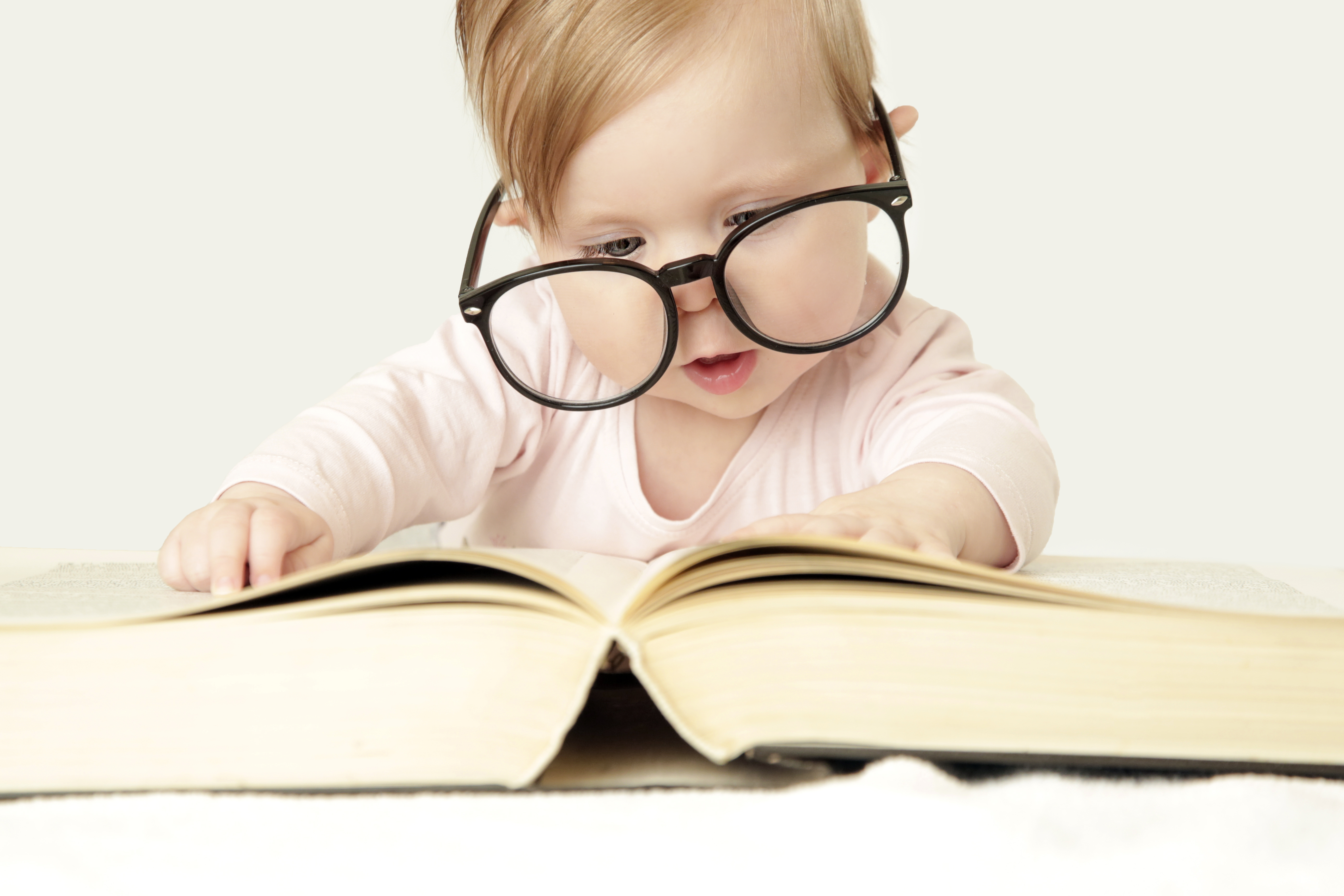
I recently wrote about the importance of communication — the importance of developing communication skills early (in infancy) and of early avoiding exposure to screens.
Effective communication skills have a plethora of benefits, including social, professional, and personal benefits.
But how exactly can we, as parents, help our children develop these skills?
While we might think of communication as verbalising — baby babbles and talking — according to the Raising Children Network, children communicate from birth. This comes in the form of crying.
Newborn babies certainly know what they want and when they want it and will let you know loudly and proudly usually by crying!
Baby hungry? They cry.
Baby has a dirty nappy? They cry.
Baby too hot or too cold? They cry.
Crying is their first form of communicating their needs with their parents.
As babies grow, develop and get older, their communication skills start to develop and they use not just their voice to communication, but also their body language.
“For example, they’ll smile, laugh, make cooing sounds, and move their arms and legs when they’re interested or excited,” writes the Raising Children Network.
After that, baby language starts to develop at around the 3-month mark at which point you may notice baby making eye contact and increasingly interacting with you.
The first time Little Miss A made eye contact with me and smiled was one of the best — most special — moments of my life!
From there baby will then learn to point to the things they want — to touch, reach and grab.
For Little Miss A, everything goes in her mouth!
So, how can we help our babies to communicate — to talk?
- Talk to baby when you’re doing everyday tasks and chores. For example, when I’ve got Little Miss A in the carrier and I’m walking around doing the laundry or stacking/unstacking the dishwasher I’ll literally explain to her what it is that I’m doing: “Mummy is folding the laundry.” Or “Mummy is putting the dishes away.” Little Miss A is incredibly curious and becomes fascinated by observing me in my daily tasks, especially when I’m explaining as I go.
- Mirror baby during play, when changing nappy or during feed times. By this I mean, copy baby’s sounds, gestures and facial expressions. Little Miss A absolutely loves it when I copy her sounds, baby babbles, facial expressions and gestures. And by doing this, she quickly learns new skills and develops new gestures and sounds – it’s incredible to watch.
- Sing songs to baby. Little Miss A loves it when I sing to her. It’s a playful way to engage with her, ease her frustrations by helping her focus on something else (gets her attention!) and ‘the repetition of simple songs helps to reinforce words and sounds‘.
- Read to baby. Again, as with singing, reading to baby can also help to reinforce words and sounds, which can help build their vocabulary and language skills. It can also help them develop their memory and listening skills.
- Let baby be part of the conversation! Allow baby to copy you when you’re talking to friends and family and have fun playdates with other kids. I’ve found that this is one of the best ways to help baby with her communication skills. Little Miss A communication skills have flourished by being among lots of family and friends and observing those around her talk and communicate. And it’s fascinating to watch her play with other kids — she becomes completely immersed in observing and learning how other kids are talking and communicating. I really believe surrounding her with family and friends, and ensuring socialisation through regular playdates — especially during our recent trip to France and now in Melbourne — has really helped her shine! She’s becoming ‘Little Miss Chatterbox’ and wants to be part of every conversation 🙂 It’s adorable.
These just some of the various ways to help baby develop his/her communication skills.
J and I are also trying to ensure we introduce Little Miss A to French and Polish (in addition to English) … we’re hoping to raise a trilingual bub! Just another layer of complexity we’re adding to our parenting 🙂 It’ll be worth it if she grows up speaking 3 languages!
For more ideas and information, visit: Language and play: babies.
x G.

editor, journalist, digital content creator with a background in nutrition & dietetics.
Leave a Reply