
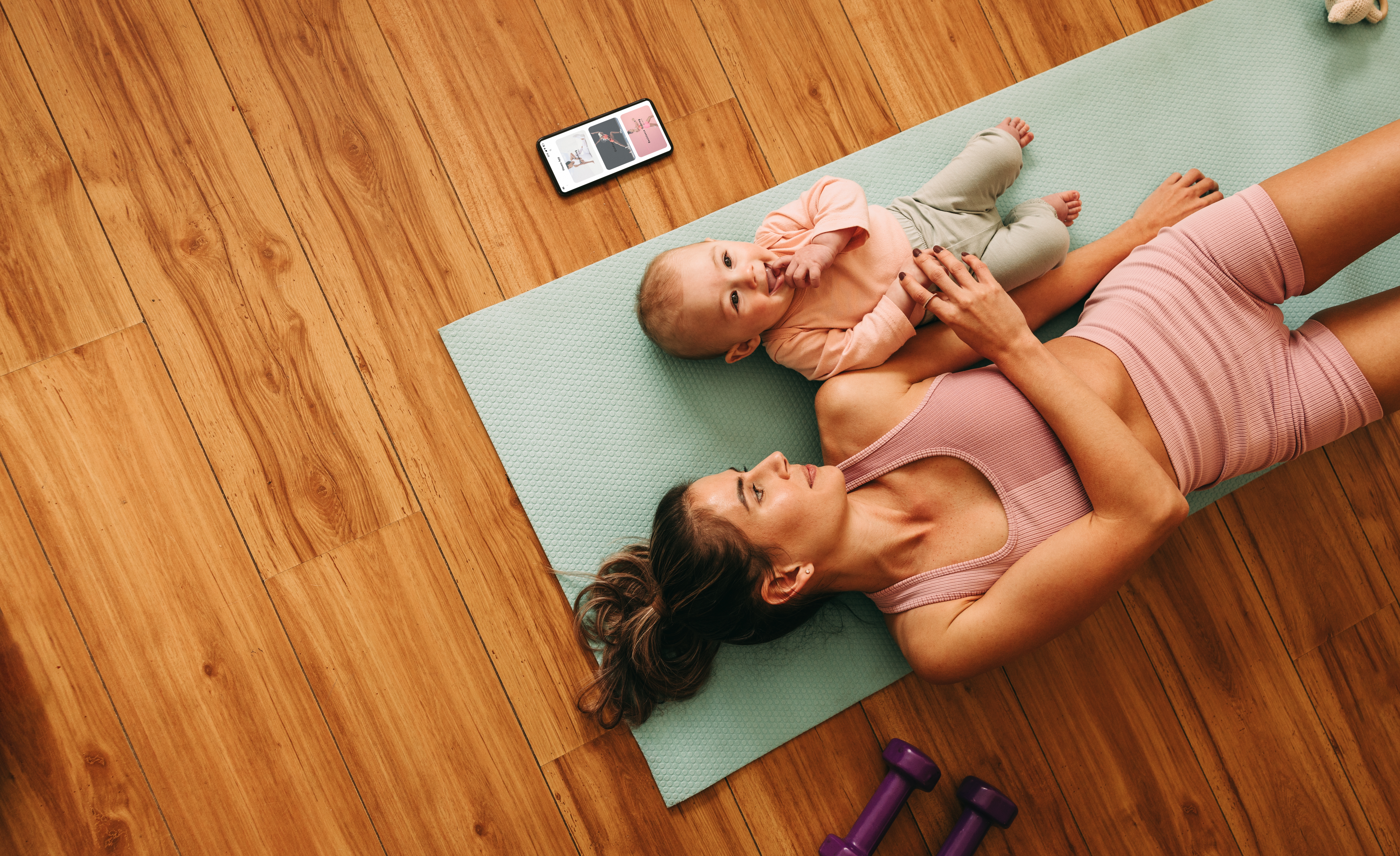
I’ve just completed 20 minutes of beginner yoga using a new app I downloaded today, Asana Rebel.
Frustrated by my lack of structured exercise — well, aside from my almost-daily walks with Miss A — and missing the barre classes I was doing while we were still in Doha, I’ve realised that if I want to continue rebuilding my strength and core, I need a routine that fits into my days at home.
Because, while I love attending classes … bringing Miss A along to said classes isn’t exactly an option!
So, this morning I decided to download the previously mentioned app and have just completed 20 minutes of yoga foundations!
Plus, it’s been super motivating today as far as my water intake goes! I really need to take a leaf out of Miss A’s little book — the girl LOVES water. And well, I need to get better at the ol’ H2O consumption … but having to record my water drinking today made me super motivated to actually DRINK more water! ANY-WAY!!
Health and fitness apps are EVERYWHERE it seems.
Whether it’s tracking your water intake, food intake, how much yoga/Pilates/barre you’re doing, or tracking your runs, there’s an app for everything.
And well, I get it — well, obviously, given I’ve literally just downloaded yet another health/fitness app — I’m all for tracking your workouts.
I certainly did that back in my triathlon training days and now also use a running app to track my run progress!
I honestly love the sense of accomplishment that comes with tracking your progress!
But the other day I came across some research that has me questioning where the line is between helpful motivation and unhealthy obsession.
the dark side of health tracking
A new study from Flinders University has found that while fitness and diet apps can boost motivation, they also come with potential risks.
“Diet and fitness apps are marketed as tools to improve health, however, they may also have unintended negative consequences, such as creating pressure to meet goals, concerns about body image as well as provoking feelings of guilt if goals aren’t achieved,”
says Isabella Anderberg from the College of Education, Psychology and Social Work.
The study reviewed 38 research papers and found a clear link between regular app use and problematic habits around food, body image, and exercise.
Users of these apps were more likely to have disordered eating symptoms, engage in restrictive diets, and experience negative thoughts about their bodies.
“The focus on dietary restriction and weight-loss in these apps may feed into restrictive or excessive behaviours, raising concerns for those people who have pre-existing concerns about their weight or body image,”
adds Ms Anderberg.
Of course, not everyone who uses a fitness app develops these issues.
Many people find them helpful for accountability and motivation.
But the study suggests we need to be aware of the potential downsides —especially for young adults and those vulnerable to body image struggles.
what this means for us — and our kids!
This research made me stop and think about how I use fitness apps.
I like the structure they give me, but I’ll admit, I’ve also felt that nagging guilt when I don’t hit a step goal or log a workout.
And as mums, we need to be extra mindful.
If our kids see us obsessing over numbers — whether it’s calories, steps, or workout streaks — what message does that send?
We want them to see movement as something joyful, not as a box to check or a metric to hit.
I’m all for using fitness apps in a way that supports our goals, but they shouldn’t dictate our self-worth.
So as I test out this new yoga/Pilates app, I’m reminding myself:
My body isn’t just something to track. It’s strong, capable, and doing its best every day.
And that’s definitely the example I want to set for Miss A.
xo G.

editor, journalist, digital content creator with a background in nutrition & dietetics.
Leave a Reply